
Sleep Better Madison
Feel Energetic Again With Treatment
Improve Your Quality of Life
With Sleep Apnea Treatment
Treating sleep apnea gives you back the deep, restful sleep your body has been missing. A custom oral appliance keeps your airway open through the night, so you breathe easier and stop snoring. You'll wake up ready to take on your day.
This gentle alternative to CPAP protects your heart, lowers your risk for serious health problems, and brings peace back to your bedroom for you and your partner. It's comfortable, easy to wear, and simple to fit into your nightly routine. A sleep appliance can help you feel more like yourself again.
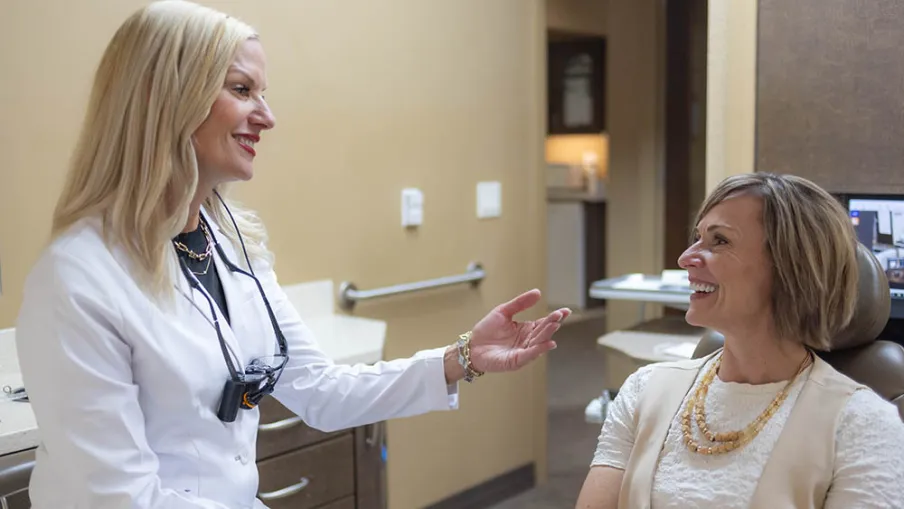
Take Control of Your Sleep Apnea Symptoms
Sleep apnea occurs when your airway collapses while you sleep, cutting off your breath again and again throughout the night. Your body reacts by waking you slightly each time, so you never reach deep, restorative sleep. Over time, this strain raises your risk for high blood pressure, heart disease, and stroke, since poor sleep affects far more than just your energy level.
Recognize Snoring as a Warning Sign
Loud, frequent snoring often means your airway is partially blocked while you sleep. It disrupts your partner's rest and can point to a deeper breathing problem hiding underneath the noise. Treating the root cause of your snoring, rather than just muffling the sound, protects your airway and improves sleep quality for you both.
Learn How Oral Appliance Therapy Works
Oral appliance therapy uses a custom-fit device you wear at night to gently shift your jaw forward and hold your airway open. Your appliance is designed to fit your mouth precisely, giving you a quiet, comfortable option if a CPAP mask leaves you feeling restless or short of breath. Many patients switch and never look back.
Take Advantage of Convenient Insurance & Financing Options
Getting started begins with a consultation to review your sleep history, your symptoms, and your treatment goals. We work with many dental insurance plans and are in-network with Ameritas and Delta Dental. We also offer third-party financing through Cherry and CareCredit. Be sure to ask about our in-house financing plan as well.
Contact us today to set up an appointment with Dr. Gyurina.

Meet Dr. Jana Gyurina
Your Sleep Dentist
Dr. Gyurina has provided personalized dental care for over 20 years. She has received advanced training through the Academy of General Dentistry, International Congress of Oral Implantologists, and many other organizations. She is highly committed to using dental solutions to solve whole-health problems like sleep apnea.
Frequently Asked Questions About Sleep Apnea Treatment
What is sleep apnea?
Sleep apnea is a condition where your breathing repeatedly stops and starts while you sleep. It happens when your airway becomes blocked by soft tissue in your throat or tongue. These pauses can last several seconds and may occur hundreds of times a night, disrupting deep sleep and lowering your oxygen levels.
What causes sleep apnea?
Sleep apnea is caused by your airway collapsing or narrowing while you sleep, often due to relaxed throat muscles, excess tissue, or jaw positioning. Extra weight, nasal congestion, and sleeping on your back can make blockages worse. Age and family history also raise your risk of developing this breathing disorder.
What are the warning signs of sleep apnea?
Warning signs of sleep apnea include loud snoring, gasping or choking sounds during sleep, and morning headaches. You might also notice daytime fatigue, trouble concentrating, and irritability, even after a full night's rest. A partner often notices these symptoms before you do, since they happen while you're asleep.
Is snoring always a sign of sleep apnea?
Snoring isn't always a sign of sleep apnea, but frequent, loud snoring paired with gasping or pauses in breathing often points to it. Occasional light snoring may just mean nasal congestion or sleep position. A sleep evaluation can tell you whether your snoring signals a more serious airway problem.
Why is untreated sleep apnea harmful to your health?
Untreated sleep apnea strains your heart and raises your risk for high blood pressure, stroke, and diabetes. Repeated drops in oxygen levels force your body to work harder overnight, leaving you exhausted during the day. Treating sleep apnea protects your long-term health and improves how you feel daily.
What is oral appliance therapy?
Oral appliance therapy uses a custom-fit device worn in your mouth at night to treat snoring and mild to moderate sleep apnea. The appliance gently repositions your jaw forward, keeping your airway open so you breathe steadily. It's a quiet, portable option many people prefer over bulkier breathing machines.
Who is a good candidate for oral appliance therapy?
Good candidates for oral appliance therapy include people with mild to moderate sleep apnea or frequent snoring who find CPAP uncomfortable or hard to use consistently. A sleep evaluation and dental exam help determine if this treatment fits your specific breathing pattern and jaw structure.
How long does it take to get used to an oral appliance?
Most people adjust to an oral appliance within one to two weeks of consistent nightly wear. Some initial jaw soreness or increased salivation is common and typically fades quickly. Wearing the appliance every night helps your mouth adapt faster and improves your treatment results.


